
Semiconductors at the Heart of Medical Devices
Introduction
Medical electronics has become a core pillar of modern healthcare. From patient monitoring and diagnostic imaging to portable treatment devices and home-care equipment, reliable electronic components determine accuracy, safety, and long-term stability. As healthcare systems move toward digitalization and remote care, the role of semiconductors in medical products continues to expand.
Key Components in Medical Electronics
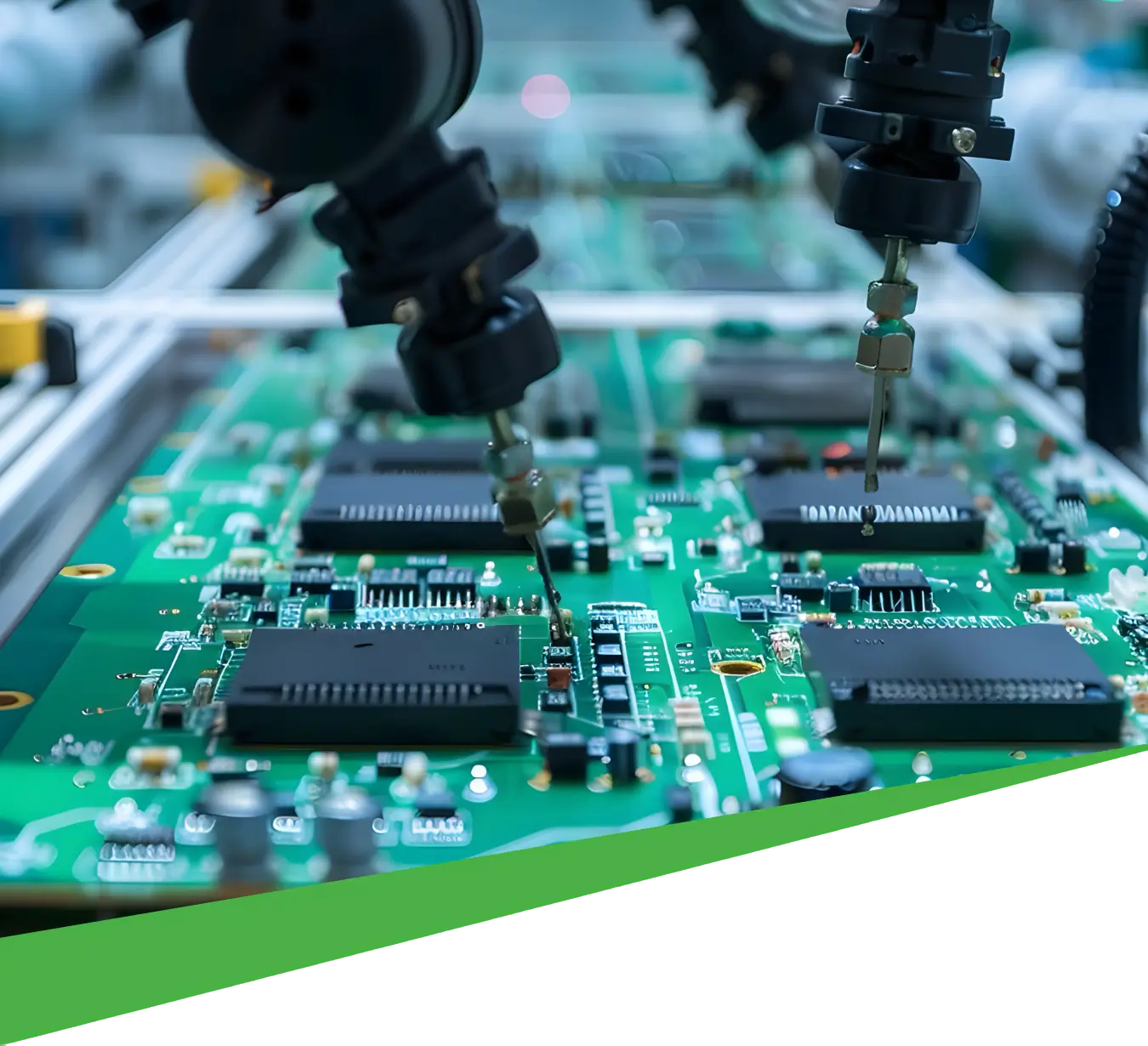
Medical devices depend on several critical component categories. Sensors are used to detect temperature, pressure, blood oxygen, motion, flow, and many other physiological signals. Analog front-end devices condition weak signals before they are digitized. Microcontrollers and processors handle control logic, calculation, and communication. Power management components ensure low power consumption, battery efficiency, and stable operation. Isolation, protection, and connectivity chips help devices meet demanding safety and communication requirements.
Typical Application Scenarios
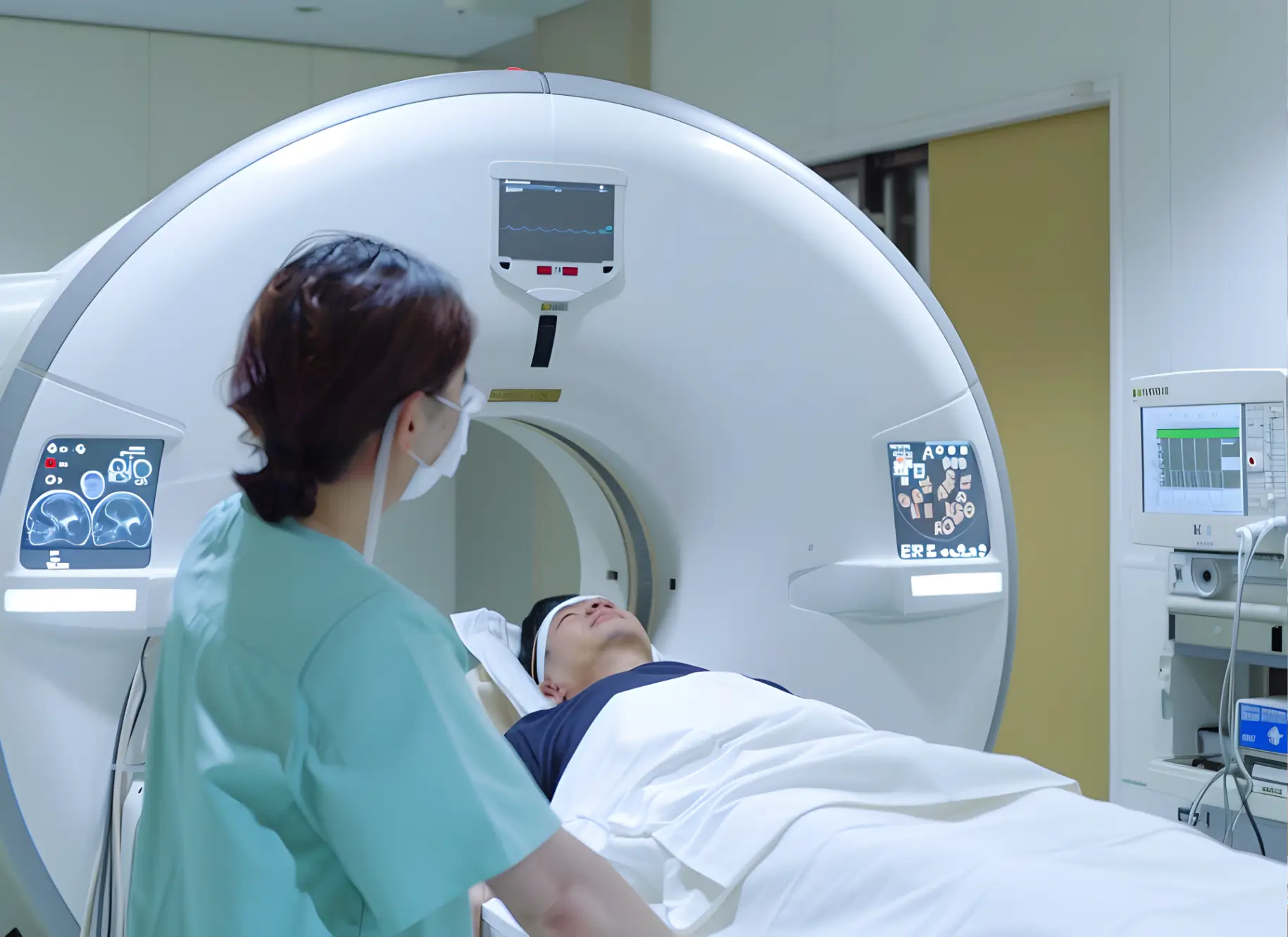
Medical electronics is widely used in bedside monitors, infusion pumps, ultrasound systems, portable diagnostic tools, wearable health devices, rehabilitation equipment, and laboratory analyzers. In imaging and monitoring systems, high-precision signal chains are essential. In wearable and portable devices, low-power design and miniaturization are especially important. In networked healthcare equipment, secure data transmission and dependable connectivity are critical.
Core Design Requirements
Compared with general-purpose electronics, medical devices require stricter standards in precision, reliability, electromagnetic compatibility, traceability, and lifecycle management. Components must support stable long-term operation, low noise, controlled heat, and dependable power delivery. For equipment used in direct patient care, safety isolation and fault tolerance are especially important.
Future Trends
The medical market is moving toward smarter, smaller, and more connected products. AI-assisted diagnosis, edge computing, remote patient monitoring, and home healthcare are accelerating demand for efficient processors, advanced sensors, wireless modules, and secure power solutions. Electronic components will continue to be a foundational driver of innovation in medical technology.