
Application

image

Industrial-Application-CAX Electronics

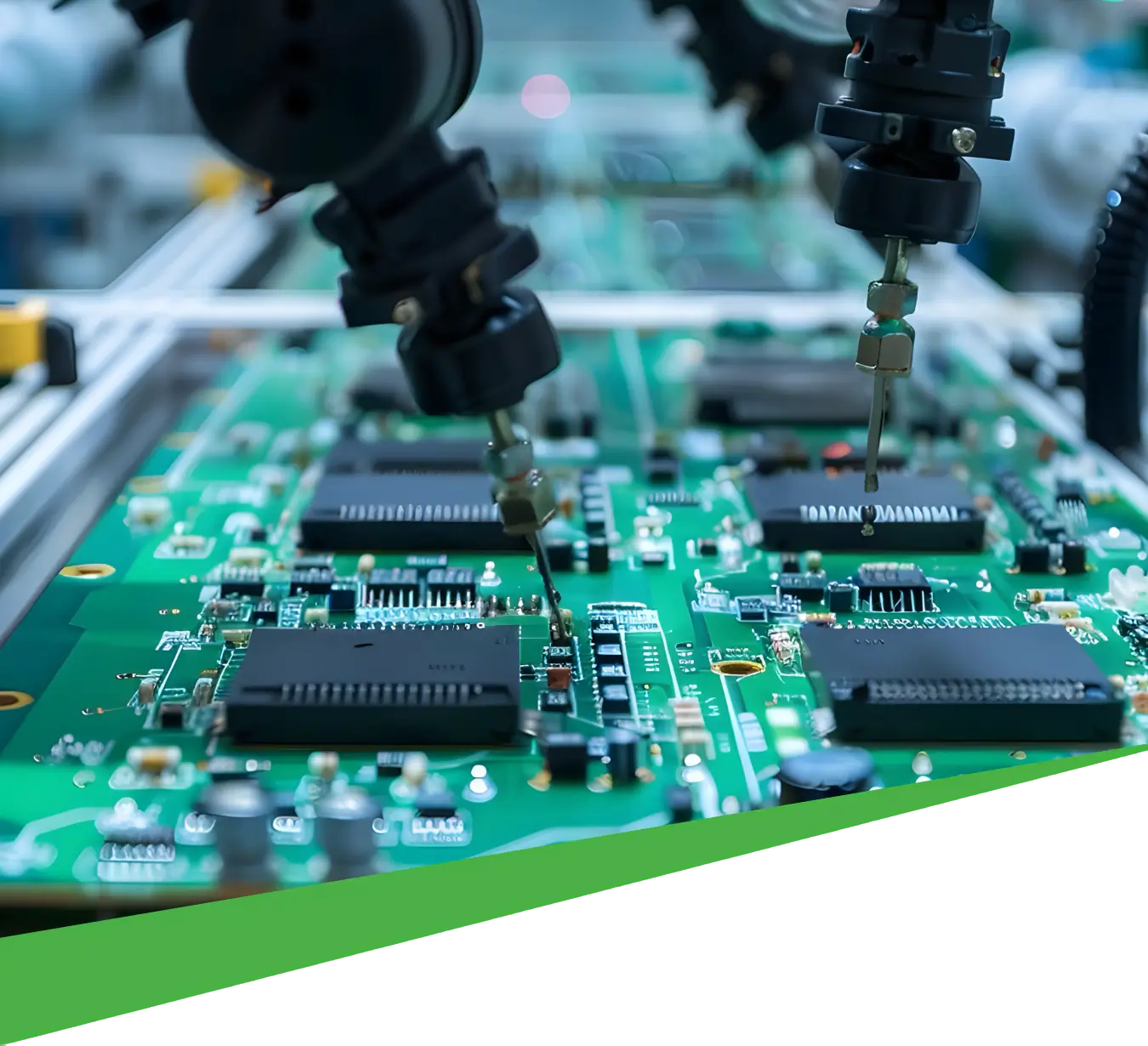
In the modern industrial landscape, electronic components are the backbone of many systems and processes. From automation and control systems to power management and communication infrastructure, these components enable efficiency, reliability, and innovation. Their integration into industrial machinery and equipment has revolutionized manufacturing, transportation, energy, and many other sectors.

1. Automation and Control Systems

Automation is a cornerstone of modern industry, enabling higher productivity and precision. Key electronic components in these systems include:

  • Programmable Logic Controllers (PLCs): PLCs are central to industrial automation. They use microcontrollers and microprocessors to control machinery and processes by receiving inputs from sensors, processing data, and sending control signals to actuators.
  • Sensors and Actuators: Sensors collect data from the environment or machinery (e.g., temperature, pressure, proximity), while actuators perform actions based on this data. Common sensors include photoelectric sensors, ultrasonic sensors, and thermocouples.
  • Human-Machine Interfaces (HMIs): HMIs allow operators to interact with automation systems. These interfaces use touchscreens, keypads, and displays to provide real-time data and control capabilities.

2. Power Management

Efficient power management is critical for industrial operations to ensure reliability and reduce costs. Important components in this area include:

  • Power Supplies: These convert electrical power into a suitable form for industrial equipment. Uninterruptible power supplies (UPS) provide backup power to prevent downtime.
  • Inverters and Converters: These are used to change the form of electrical power. Inverters convert DC to AC power, while converters can change voltage levels and types (e.g., AC to DC).
  • Power Management ICs: Integrated circuits that manage the distribution and regulation of power within industrial systems, ensuring optimal performance and protection against overloads.

3. Motor Control

Motors are integral to many industrial applications, and their control systems rely heavily on electronic components:

  • Motor Drivers and Controllers: These regulate the operation of electric motors, providing control over speed, torque, and position. They use components like transistors, diodes, and microcontrollers.
  • Variable Frequency Drives (VFDs): VFDs control the speed of AC motors by varying the frequency of the power supply. This enhances energy efficiency and prolongs motor life.

4. Communication Systems

Reliable communication networks are essential for industrial operations, ensuring seamless data exchange and coordination:

  • Industrial Ethernet: This technology uses robust networking components like switches, routers, and cables to provide high-speed, reliable communication in harsh environments.
  • Wireless Communication Modules: These components enable wireless data transmission, critical for remote monitoring and control. Technologies include Wi-Fi, Zigbee, and Bluetooth.
  • Fieldbus Systems: Specialized industrial communication protocols like PROFIBUS and Modbus use transceivers and controllers to connect field devices with control systems.

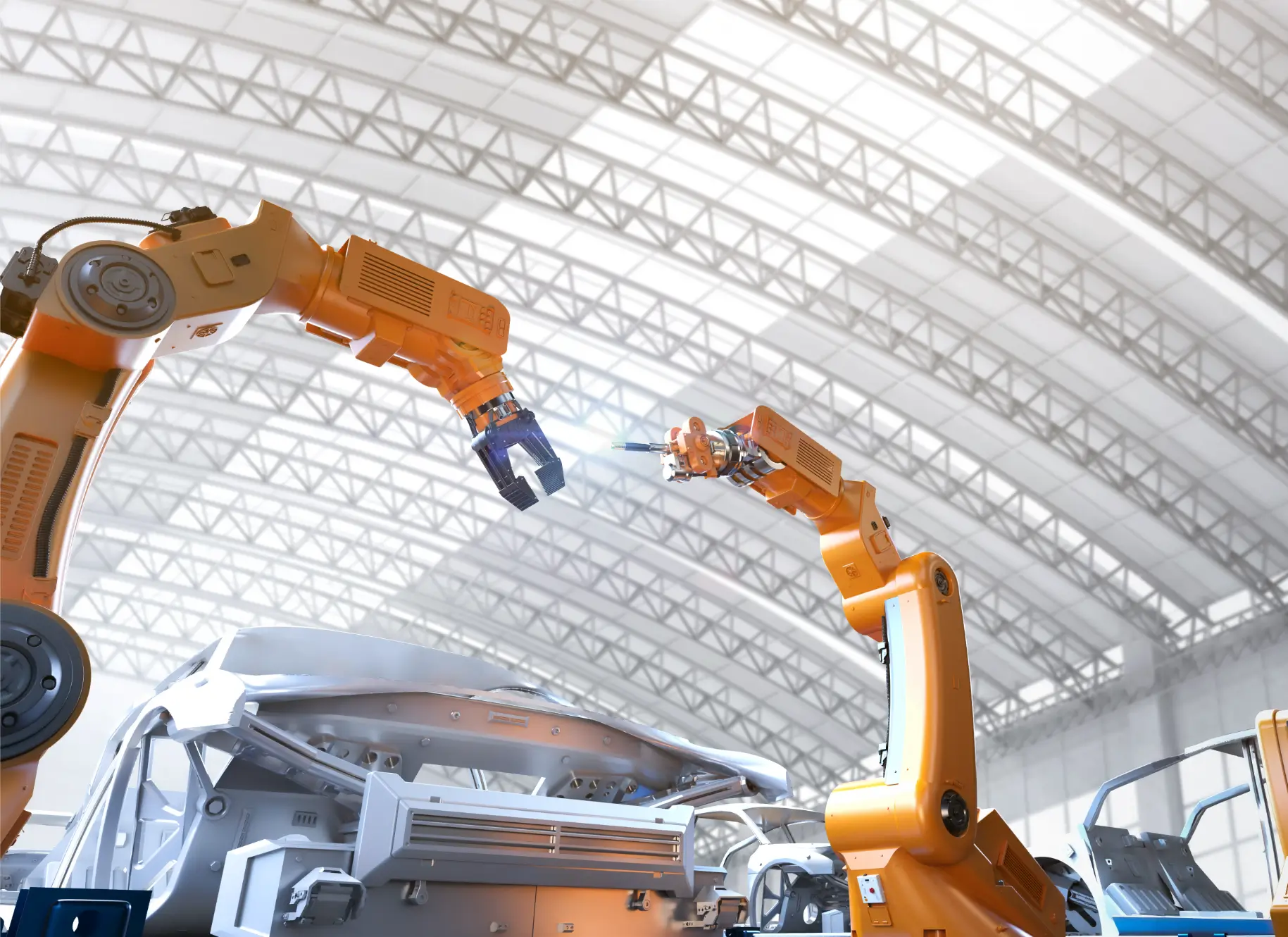
5. Robotics

Robots are increasingly common in industrial settings, performing tasks ranging from assembly to inspection:

  • Microcontrollers and Microprocessors: These are the brains of robotic systems, processing inputs from sensors and sending commands to actuators.
  • Servo Motors and Drives: These components provide precise control over robotic movements, ensuring accuracy and repeatability.
  • Vision Systems: Using cameras and image processing chips, vision systems enable robots to perform tasks like quality inspection and object recognition.

6. Environmental and Safety Monitoring

Ensuring safety and compliance with environmental regulations is vital in industrial operations:

  • Gas and Smoke Detectors: These sensors detect hazardous gases or smoke, triggering alarms and safety protocols.
  • Temperature and Humidity Sensors: These components monitor environmental conditions, ensuring that machinery operates within safe and optimal


image

Available

for any type of Service

Contact Us

Have any questions?

call us today!

+852-6068 0051